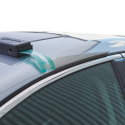
What actually happens when you slam a car door? Most people never think about it. But for automotive engineers, it's a serious design problem — because a vehicle door takes a real beating over its lifetime, especially when users routinely close it with more force than necessary. The challenge is...

Wet-Out Seal Pressure Measurement Pressure mapping provides significant advantages for industrial wet‑out adhesive sealing applications, where uniform pressure distribution is critical for achieving consistent bond quality, long‑term durability, and process reliability. In applications involving...

Automotive Door Seal Pressure Wind, noise, and water leaks in a new vehicle can be a significant source of customer dissatisfaction, create a perception of poor quality, and cause warranty expenses. Proper adjustment of hinges and door latches while the car is in the factory and the doors are being...

Enhance product design, manufacturing, quality, and research in the Automotive Industry with pressure mapping and temperature mapping solutions.

Automotive Interior Impact Testing How does an engineer at a major automaker validate the safety of an electric vehicle’s interior with confidence? When an engineer responsible for interior physical testing validation for an electric vehicle model at a major automaker wanted to confirm the safety of...

Pressure Mapping for EV Design Design differences and challenges for the next generation of EVs can be quite different than existing design for internal combustion vehicles. In addition to the core battery stack assembly and design, pressure mapping system analysis is key to many different aspects...

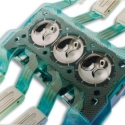
Pressure measurement is vital for gasket design because it ensures seal integrity, helps select the right material, verifies performance, maintains safety, and optimizes the design. Some common gasket materials used in pressure-sensitive applications: Rubber: Ideal for low-pressure applications and...

Capture static or dynamic tire footprint pressure patterns for tire tread and performance analysis.

Capture & Analyze Tire Behavior at Speeds Up to 265 km/h (165 mph).