

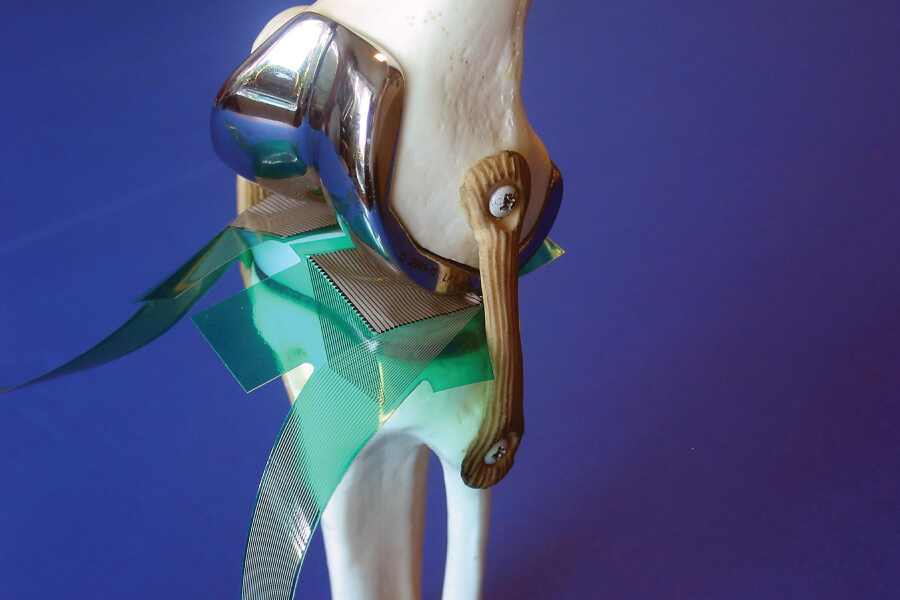
K-Scan System
Provides a better understanding of how the contact surfaces of articulating bones are functioning and loading for objective joint analysis.
Not available for online purchase.
Contact us for pricing
 Skip to main content
Have questions? Contact Us
Provides a better understanding of how the contact surfaces of articulating bones are functioning and loading for objective joint analysis.
Not available for online purchase.
Contact us for pricing
|
The K-Scan Joint Analysis System utilizes paper-thin sensors to provide accurate data for objective, quantified analysis of joint function. It measures pressure, force, and contact area between adjacent articulating bones to provide a better understanding of how they are functioning, articulating, and loading.
|
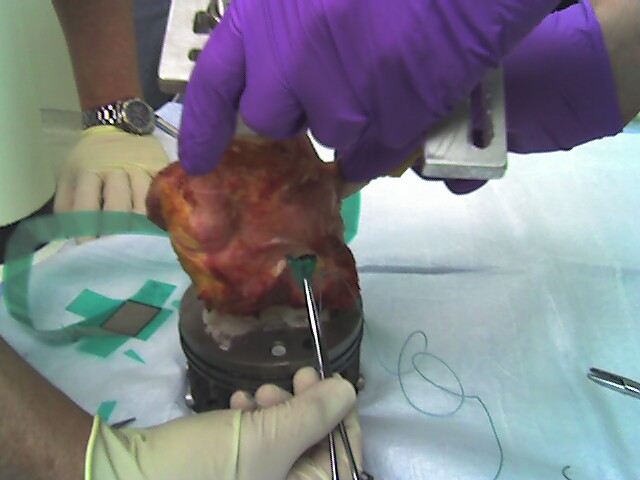 K-Scan for joint analysis. K-Scan for joint analysis. |
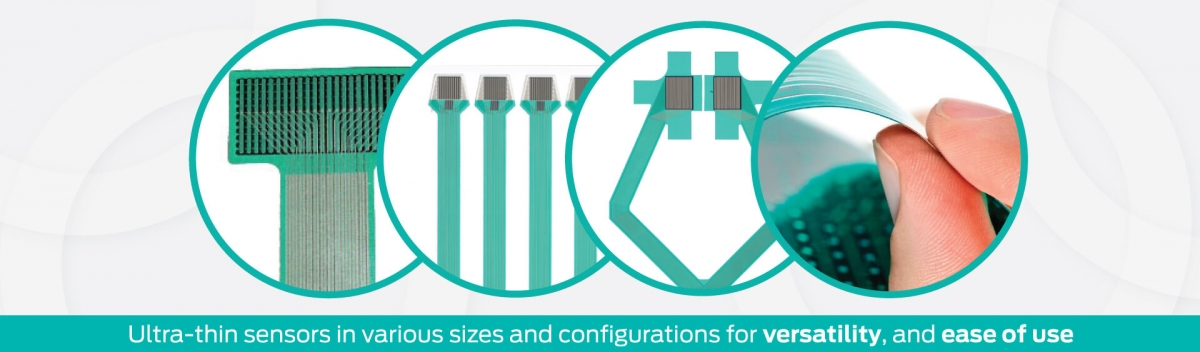
The sensors listed below are standard sensors for systems. If you don't see a sensor that fits your needs, contact us. Custom capabilities are available.
Key K-Scan Applications Include: |
|
|
|

A recent study published using human cadaveric shoulders stated, 'Tekscan sensors are highly accurate and can collect data points continuously in real time, thereby allowing the fixation techniques to be studied over time.1' Read the full article here.
1. Lin, Cheng-Li., et al. (2019) Different suture anchor fixation techniques affect contact properties in humeral greater tuberosity fracture: a biomechanical study. BMC Musculoskeletal Disorders. 20:26.
A Tekscan system consists of scanning electronics, software and patented thin-film sensors.
 |
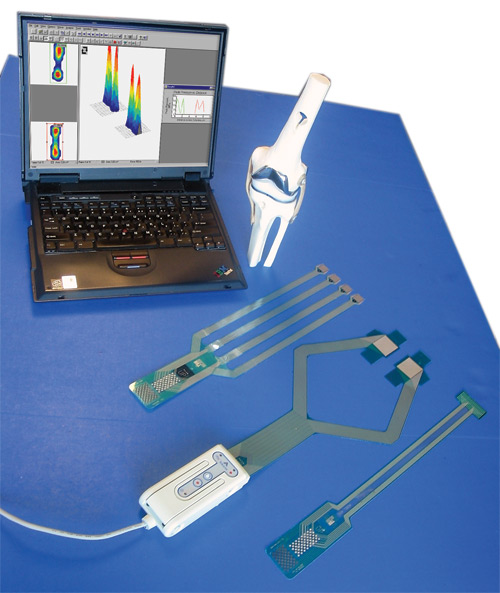 K-Scan Joint Analysis System
Additional items may be included with your system purchase.
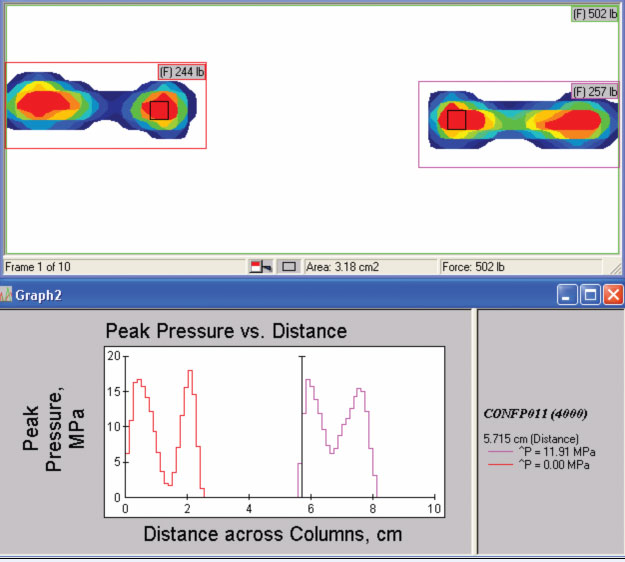 K-Scan Software Image
The software is available in several languages including Spanish, French and German.
See how researchers at the Cleveland Clinic use K-Scan™ in their BioRobotics Lab in this video from their YouTube channel
Joint biomechanics research is complex, often requiring multiple technologies to collect the data you need. Now you can access multiple types of technologies in one platform.
The simVITRO team at the BioRobotics Lab developed LabVIEW drivers with the ability to synchronize Evolution and VersaTek electronics (i.e. F-Scan, I-Scan, K-Scan, etc.) and/or other third party system data, such as motion capture and robotics. For compatibility and additional information about an optimized hardware configuration, contact the BioRobotics Lab.
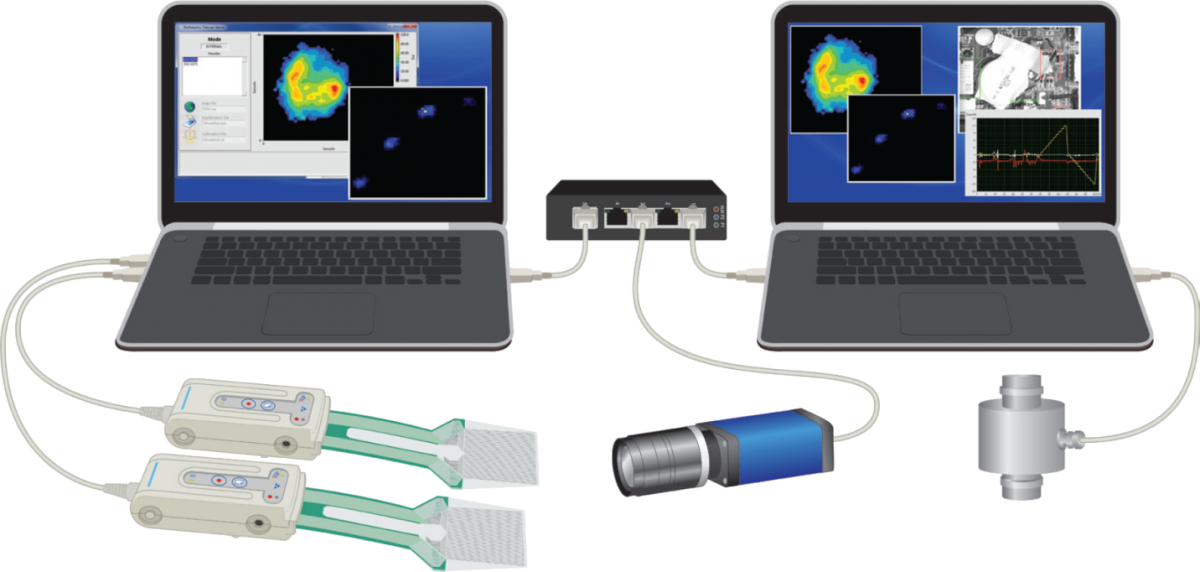 Package of drivers available from simVITRO to complement a variety of Tekscan.
 Customize and calculate Tekscan data metrics in real-time (max force, center of pressure, etc.)
Additionally, the drivers are compatible with the simVITRO system for robotically controlled anatomical joint testing. Gather insights into joint pressures with an easy to use robot designed to simulate real movements. Learn more