Experts Advocate Pressure Measurement Utilization to Improve Orthotic Outcomes
LER magazine highlights two clinicians who value pressure mapping because of its immediate feedback on the effects of orthotic intervention.
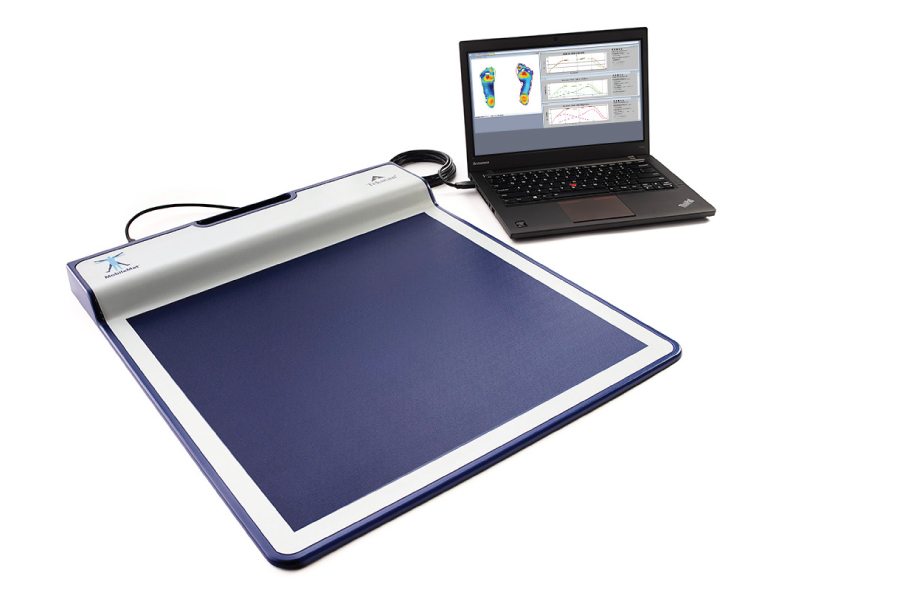
The June issue of Lower Extremity magazine recaps sessions from the 2010 FIP World Congress in Amsterdam where the use of pressure mapping was highlighted/ Two clinicians presented on the positive patient outcomes with orthotic intervention made possible by Tekscan pressure mapping systems.
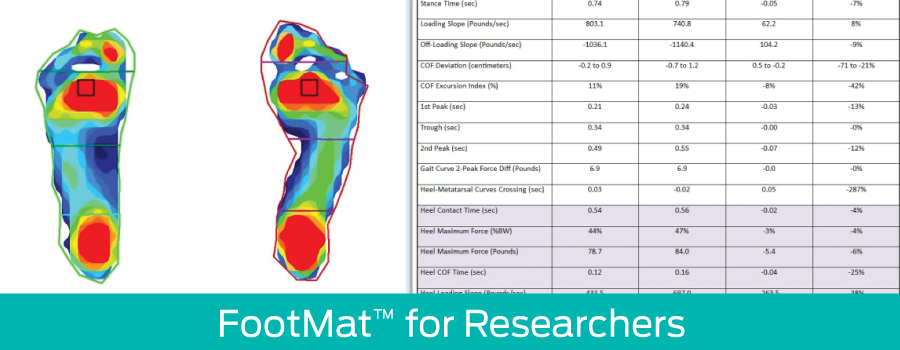
Jeffrey Ross, DPM, MD, associate clinical professor of medicine at Baylor College of Medicine and chief of the diabetic foot clinic at Ben Taub County Hospital (Houston, TX), spoke about how he uses the MatScan system to identify areas of potential ulceration sites, and then evaluate those same sites again for a reduction in pressure after orthotic modifications have been made. Dr. Ross highlighted one example where he was able to get quantifiable data to show that his orthotic modification decreased peak pressure in a particular site of one patient's foot from 61 psi to 41 psi.
Paul van Neerven, a podotherapist and Tekscan user in Amsterdam, described an instance where a new patient had given him a previously modified orthotic that was not providing the relief it was meant to. After a cut-out under the first metatarsal head was made, he was able to use pressure mapping to show that the change was beneficial to the patient. "By just using a mat you can see what the foot does with your insole therapy. If the insole is not good, you can correct it immediately. If I don't, then the patient will have to come back another time, so it's better to do it at one time," said van Neerven.
Read the full story on the Lower Extremity Review magazine website.