 Skip to main content

Pressure Mapping Of Automotive Seats
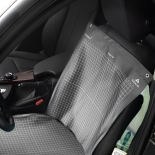
The Body Pressure Measurement System™ (BPMS™) is widely used to "pressure map" people sitting on automobile seats and office chairs. The information gathered provides input for improving seat designs and comfort. The system is both dynamic and very portable, so it can be just as easily used in a laboratory as in a moving automobile. GM, Ford, Toyota, Honda, BMW, PSA, Volvo, Delphi, Johnson Controls, Faurecia, Magna and Steelcase are just a few of the companies using BPMS.
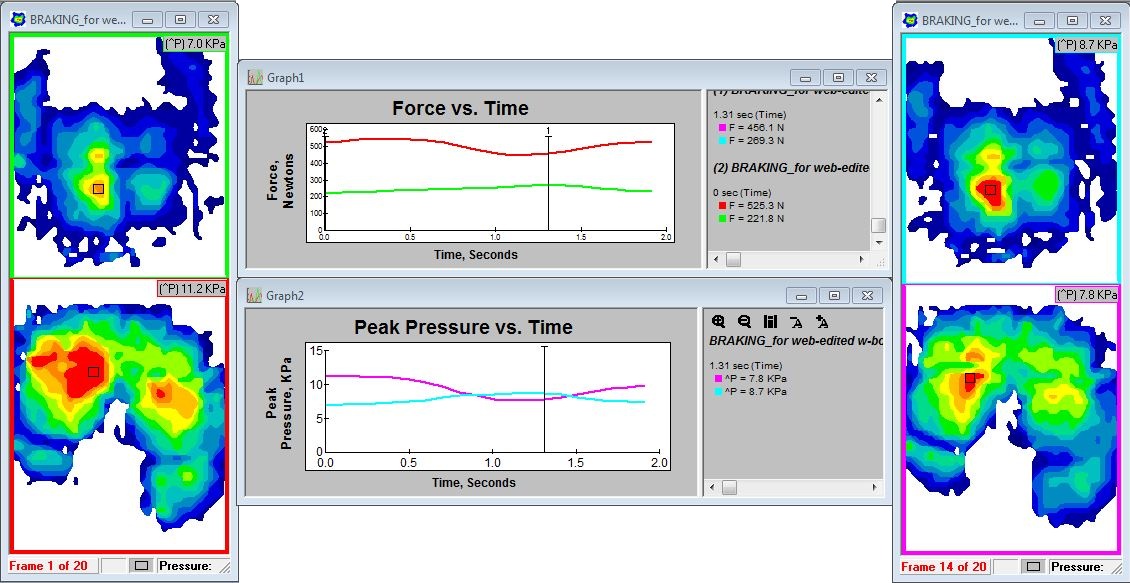
The images below shows the dynamic inter-relationship of seat back and cushion pressure when the driver pushes on the brake pedal. A Tekscan pressure sensing mat was placed on the seat back and cushion and the output is shown in Figure 1.
Automotive seat pressure mapping Applications
- Comfort studies
-
Identify:
- Pressure changes over time
- Measure contact area
- Localized peak pressure zones
-
Measure the effect of:
- Stitching
- Bolsters
- Wire stays
- Foam stiffness
- Seat angles
- Lumbar supports
- Cover materials
Benefits of Pressure Mapping
- Optimize foam stiffness and cover materials
- Select the best ergonomic position of the driver
- Study ease of occupant ingress and egress
- Measure changes in driver's position during high activity and over long periods of time


